Auracast™ Assistive Listening: What It Is, How it Works, Benefits and Drawbacks
What is Auracast™?
Auracast™ is an emerging Bluetooth broadcast audio technology which allows a single audio source to be shared with multiple listeners at the same time. When it comes to assistive listening, it offers a solution for users who need to access audio in public spaces to improve their ability to hear and comprehend the sermon, performance, or presentation.
We’re here to explain what Auracast™ is, where it works best, and when other assistive listening technologies could still be more appropriate for your venue. This advice is for venues, consultants, specifiers as well as end users – those living with hearing loss, aiming to make informed and practical decisions rather than using a new technology based solely on headlines.
If you’re considering Auracast™ for a venue, Complete Hearing Solutions can help you assess if it’s suitable, as well as provide insight on other assistive listening systems like hearing loops, radio frequency (FM), or infrared (IR).
Key Strengths and Uses
Shared-audio environments
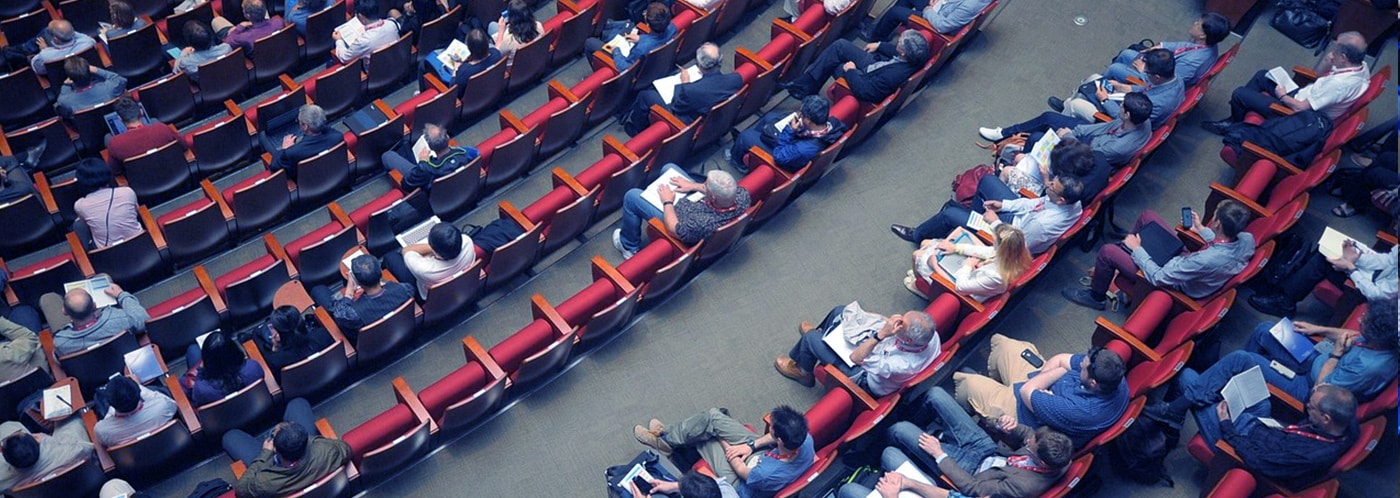
Auracast™ allows venues to broadcast a single audio stream. This works well in situations such as presentations, demonstrations, and potentially guided experiences or waiting areas, where the users have time to scan their environment and connect their receivers to a needed audio source. It also has the potential to allow for multiple audio-streams in a single environment, providing the option to select the specific stream of interest.
Personal devices
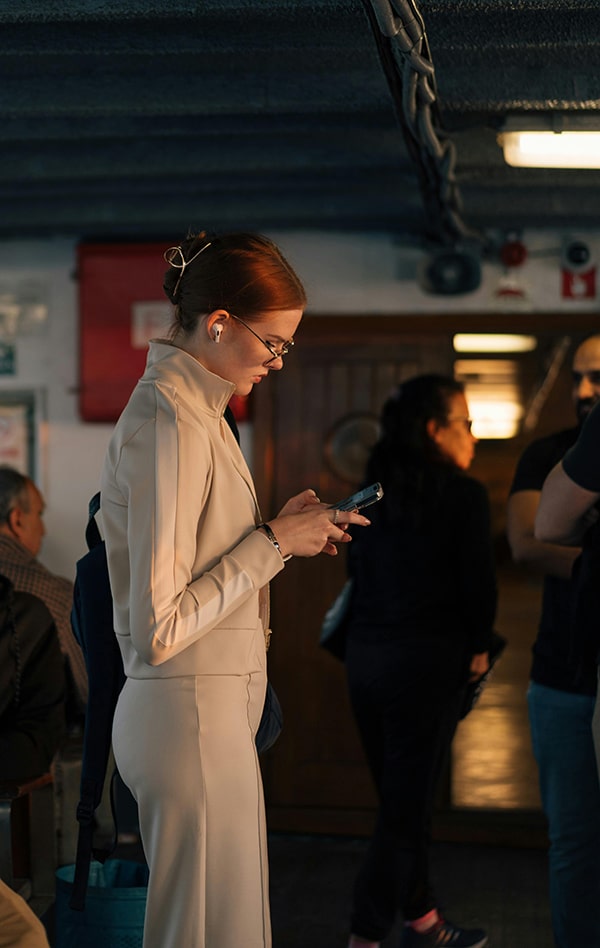
Since some users can access Bluetooth-transmitted audio using their own devices such as smartphones, headphones, and in some instances compatible hearing aids, Auracast™ can reduce the need for shared receivers. This reduces the burden on venues when it comes to maintenance, issuing, collecting, and cleaning.
Discretion
Users being able to connect straight from their smartphones can also allow end-users to feel more discreet than with some other solutions, as they don’t need to ask staff for assistance or to provide specific tools, such as receivers.
Limitations and Considerations
Device Compatibility
Users will need an Auracast™ enabled smartphone to assist in making the connection to Auracast™ enabled hearing aids and cochlear implants.
User Familiarity and Confidence
Many of those who need assistive listening are older users who find simplicity and familiarity to be critical when it comes to technology. Systems with minimal setup and decision-making work the best in real-world environments, particularly for users with hearing loss who may find device navigation or new technology a barrier. This could present barriers to older users adopting Auracast™ and willingly using it. Systems like hearing loops do not require the use of smartphones to make the connection to the transmitted signal, which has led to significant and widespread global use.
Reliability with Coverage
Like any other assistive listening solution, Auracast™ requires proper planning and careful consideration during installation. Bluetooth works well in defined areas, but signal strength, coverage zones, and interference all need to be tested. AuracastTM currently operates on 2.4GHz, same as standard Wi-Fi systems, therefore potentially having issues with reduced range and intermittency. The more Wi-Fi networks and users in the area, the increased likelihood of the performance being affected.
This is one reason testing by specialized assistive listening integrators, like Complete Hearing Solutions, in finished installation environments under normal operating conditions is necessary. This is not a plug and play system that should be installed by an inexperienced installer.
Auracast™ Alongside Other Assistive Listening Systems
Auracast™ isn’t yet ready to be adopted as a direct replacement for hearing loop systems. Hearing loops provide a simple and predictable user experience that doesn’t rely on potentially confusing connections, personal device setup, or use of receivers and headsets.
In many cases, hearing loops can be installed to provide a reliable system as a baseline for assistive listening, particularly in venues where accessibility and user-ease are key and ADA compliance is mandatory.
Assistive listening is often most effective when different technologies are specified with individual environments in mind and combined thoughtfully, providing a range of options based on how people actually use, are familiar with, and need to access audio within an environment.
Design Considerations
Because Auracast™ uses Bluetooth audio for wireless connectivity, any system designs need to account for coverage boundaries, broadcast streams, and how users can connect to the system.
As the technology is still developing, there isn’t yet a unified global performance standard the way there is for other assistive listening technologies, meaning the sound quality, range, and volume could vary from venue to venue. Additionally, clear signage is vital. Since there isn’t yet a universally accepted symbol or sign indicating AuracastTM is present, users could need to be manually alerted to its presence. If multiple audio streams exist, these need to be clearly communicated to users using signage to prevent confusion.

Complete Hearing Solutions’ Role and Expertise
At Complete Hearing Solutions, we tailor your projects with expert guidance based on real-world application and each venue’s individual needs. Whether your venue holds two people or thousands, we’ll help you understand whether hearing loops, Auracast™, or a variety of other assistive listening options are the best fit.
We call on our 16 years of experience as the only assistive listening systems specialists in Florida to help properly analyze a venue and make a proper system recommendation.
Speak to an Assistive Listening Specialist
The right assistive listening installations provide people with hearing loss easy audio access across a wide variety of venues. However, the right technology isn’t necessarily the most obvious one.
Whether you’re considering Auracast™, hearing loops, radio frequency, or infrared for your venue, Complete Hearing Solutions can provide straightforward guidance, worldwide best practice expertise, and decades of experience in assistive listening.
Talk to us today for a short consultation to nail-down what approach will work best for your venue. We will likely recommend a complimentary site visit to better understand your venue and your unique needs.
Supporting Resources
More guidance, resources to download, and a wide variety of information are available here to provide you with expert guidance when it comes to evaluating assistive listening options.
Get in touch with us today if you would like to discuss a specific venue or project.